
娘家的故事杨俊贤何小南
视频简介
Eburi is a 36 year-old man. Nothing enthuses him any more. While being drunk, he promises to contribute a story to a magazine. When he sobers down, he decides to write about the life of a salaried employee like himself who is very ordinary, not particularly talented. The following is his story: In 1949, Eburi gets married to Natsuko. His monthly salary is 8,000 yen and hers 4,000 yen. Therefore, both have to work to support themselves. Eburi has developed a habituIl tendency to pester around when he gets drunk. One year after their marriage, son Shosuke is born. In 1959, Eburi's mother dies in despair of her husband who has become listless due to the several ups and downs of gaining big profits and going bankrupt. His father is still alive and Eburi is enable to find a way to pay his father's debts. He is doubtful if he can make his wife and child happy. Nevertheless, he has somehow managed to survive so far, living in one of the houses at the employee housing quarters. He gives the title "The Elegant Life of Mr. Everyman" to his story of half novel and half essay style. When it is published, it receives the Naoki Literary Prize (the award given in memory of popular writer Naoki Sanjugo). At a party to celebrate his award, he gets drunk and pesters around. Notes The film is based on a novel written in the style of an essay under the same title by Yamaguchi Hitomi, depicting everyday life of a man categorized as "During-the-war Generation" who spent school days during the war and get married to start new life in the struggling post-war era. "Everyman" in the title means an average salaried employee who makes up an overwhelming majority of the city population in Japan, and "The Elegant Life" indicates sarcasm on betterment of the standard of living of ordinary salaried employees accompanied with Japan's economic growth after only a decade from the destroyed post-war period. As depicted in the film, the author Yamaguchi Hitomi was awarded the Naoki Literature Prize for this story. When he established himself well enough to become independent, he quit working as a salaried employee. Director Okamoto Kihachi and the leading actor Kobayashi Keiju belong to the same generation as the author. Exploiting innovative effects such as inserting animation sequences, the film humorously presents compassion of a middle-aged salaried employee. Kobayashi Keiju, who was originally noted for his excellent portrayal of salaried employee, won the best leading actor award of the Mainichi Film Contest for his superb performance in this picture.。《再见,少年》讲述了在千禧年社会转变背景下,发生在南方小镇上的一段消散的少年友谊的故事。“好学生”黎菲与“坏孩子”张辰浩,在同一个班级从高一走向高三,他们各自经历了时代大潮下家庭的变迁,一起摸索着未知的生活,奋力而坚韧地成长起来。看似完全两个世界的他们,曾经无限接近、彼此相伴,却最终在个人选择与外力挤压下,渐行渐远,走向了轨道的两边。高考将至前,一场剧变最终裹挟住了二人的命运。。
相关推荐

假面骑士ZZZ日语

假面骑士ZZZ 日语版

阳光小兔兔第九季

赶考去咯,小黑豹

毒医帝妃指南录

先天九魂环:开局震慑大荒魂兽

名侦探光之美少女

禅王渡尘
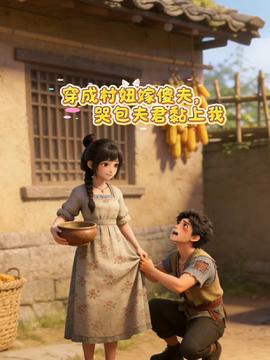
穿成村妞嫁傻夫,哭包夫君黏上我

花仙子之魔法香对论

一家三口闯仙域

退婚反被倒追,校花她真急了

亿界入侵 动态漫画

重生警犬后,我成了名侦探

假面骑士ZEZTZ

我家娘子竟然是女帝 动态漫画

娇娇的精分皇叔今天又吃醋了

假面骑士ZZZ国语

J Music 第二季

魔道重生的女武神

末世洪潮

我带超市穿到古代养丞相

雾镜狐月
